
Criminal Court Cases in Phillips County
Phillips Combined Court houses County Court and District Court at the Phillips County Courthouse. County Court hears misdemeanors, traffic matters, protection orders, and felony complaints. A felony prosecution moves to District Court after filing or bind-over. The clerk keeps the official court file, including the register of actions, charging papers, minute entries, judgments, and sentence records. That file differs from an arrest report held by a police agency and from the fingerprint-linked statewide history maintained by CBI.
The clerk counter is on the second floor at 221 S. Interocean Avenue, Holyoke, CO 80734. Public hours are weekdays from 8:00 a.m. to 3:00 p.m. Call 970-762-7010 or email PhillipsClerksOffice@judicial.state.co.us before a trip, especially when a Phillips County case is old or not digitized. Ask whether staff can inspect, retrieve, or copy the desired item and whether the copy will be plain, electronic, or certified.
Phillips County 48 Docket
The free Colorado Judicial Branch Docket Search opens with Phillips County selected as county 48. It is the best discovery tool for a current hearing, yet it is a calendar rather than a full case database. Search by a date or range and narrow by an attorney surname when useful. Export and printable controls help preserve the schedule, but the clerk remains the source for the record itself.
| Control | Use | Limit |
|---|---|---|
| County | Preset to Phillips County | County code 48 |
| Date or range | Find scheduled hearings | A date is required |
| Attorney last name | Narrow by counsel | Optional |
| Export or print | Save listed results | Does not export pleadings |
| Result row | Shows time, party, case number, hearing, location, appearance, and courtroom | Does not prove an outcome |
Note: A listed “Disposition Hearing” is only a scheduled event and does not establish whether a charge ended in conviction, dismissal, or acquittal.
Phillips County Case Record Searches
Use the schedule to locate a Phillips County case, then move to the clerk for the authoritative file. A name alone can be ambiguous, so preserve the year, case-type code, sequence, hearing date, and courtroom shown in the result.
- Open the county-48 docket and choose the likely hearing date or date range.
- Review displayed names, then copy the complete case number and hearing details.
- Call or visit the Phillips Combined Court clerk and ask for the register of actions.
- Name the needed item, such as the complaint, information, disposition, judgment, or mittimus and sentence.
- Ask about inspection and the cost of electronic, plain, certified, or archived copies before ordering.
The paid Colorado Courts Record Search or CoCourts case index may offer broader index access through authorized vendors. It still does not replace a clerk-issued copy. The Judicial Branch’s records self-help channel explains public court access and copy options.
Reading Phillips County Case Numbers
Local docket numbers start with a four-digit year, followed by a case-type code and sequence. “CR” identifies a criminal case, while “M” identifies a misdemeanor file in observed Phillips County results. Other docket codes, including juvenile or civil types, may appear in the same calendar. The code is a filing category, not a verdict.
- Arraignment
- The hearing at which the accused enters a formal plea.
- Register of actions
- The clerk’s chronological list of filings and court events.
- Disposition
- The final result of a charge, such as conviction, dismissal, or acquittal.
- Mittimus
- The court document carrying the judgment or custody direction after sentence.
Phillips County docket rows have shown Division 4, E, and CMP as courtroom labels. Treat those labels as routing details. They do not identify a charge, judge’s ruling, or final status by themselves.
What a Criminal Case File Contains
A Phillips County court file tracks what prosecutors filed and what the judge decided. The docket schedule omits many of these facts, so request the record that answers the question rather than an undefined “full background.”
| Case Number & Court | Year, type code, sequence, and the Phillips County court holding the file. |
|---|---|
| Charging Document | The complaint, information, or indictment stating charges actually filed. |
| Docket Entries | A dated history of filings, hearings, orders, and status changes. |
| Hearing Dates | Scheduled and completed court events, subject to later changes. |
| Disposition & Judgment | The result for each charge, which may differ from intake charges. |
| Sentence & Conditions | Custody, probation, restitution, or other terms ordered by the court. |
Ask separately for the complaint, disposition, judgment, and mittimus when those are the key Phillips County records. A register can point to them, but it may not contain the text of each filing.
Older Phillips County Court Files
An absent online result does not prove that no Phillips County case exists. The free docket emphasizes scheduled events, and older or closed files may require clerk retrieval. Supply the defendant name, approximate filing year, likely case type, and any known case number. Ask for the register first because it can reveal which documents are worth copying.
Specify the product. An electronic or plain copy may be enough for personal research, while a certified copy bears the clerk’s authentication for a formal purpose. Fees for Phillips County case copies were not published in the research, so confirm the current amount before asking staff to retrieve a large file. Restricted data may be redacted even from an otherwise public paper.
Criminal Case Stages in Phillips County
A Phillips County matter may begin with a complaint, summons, or arrest. County Court conducts advisement and bond proceedings and handles the felony preliminary process. If a felony prosecution continues, an information or indictment leads to District Court arraignment. Discovery, motions, a negotiated plea, or trial follow before judgment and sentence.
Case flow: Charges Filed › Arraignment › Pretrial › Plea or Trial › Disposition › Sentencing
Calendar rows help track the next stage, while the register of actions records completed events. The filed complaint shows the prosecutor’s allegations. The disposition and judgment answer what happened. Sentence detail may appear in a mittimus or sentencing order. Appeals and post-conviction filings can add later entries.
Federal Cases Beyond Phillips County
Phillips County has no federal courthouse identified within its borders. Federal criminal matters for the area belong to the U.S. District Court for the District of Colorado, not Phillips Combined Court. The official district site helps distinguish that court from the county and state system.
The official District of Colorado capture illustrates the separate federal layer.
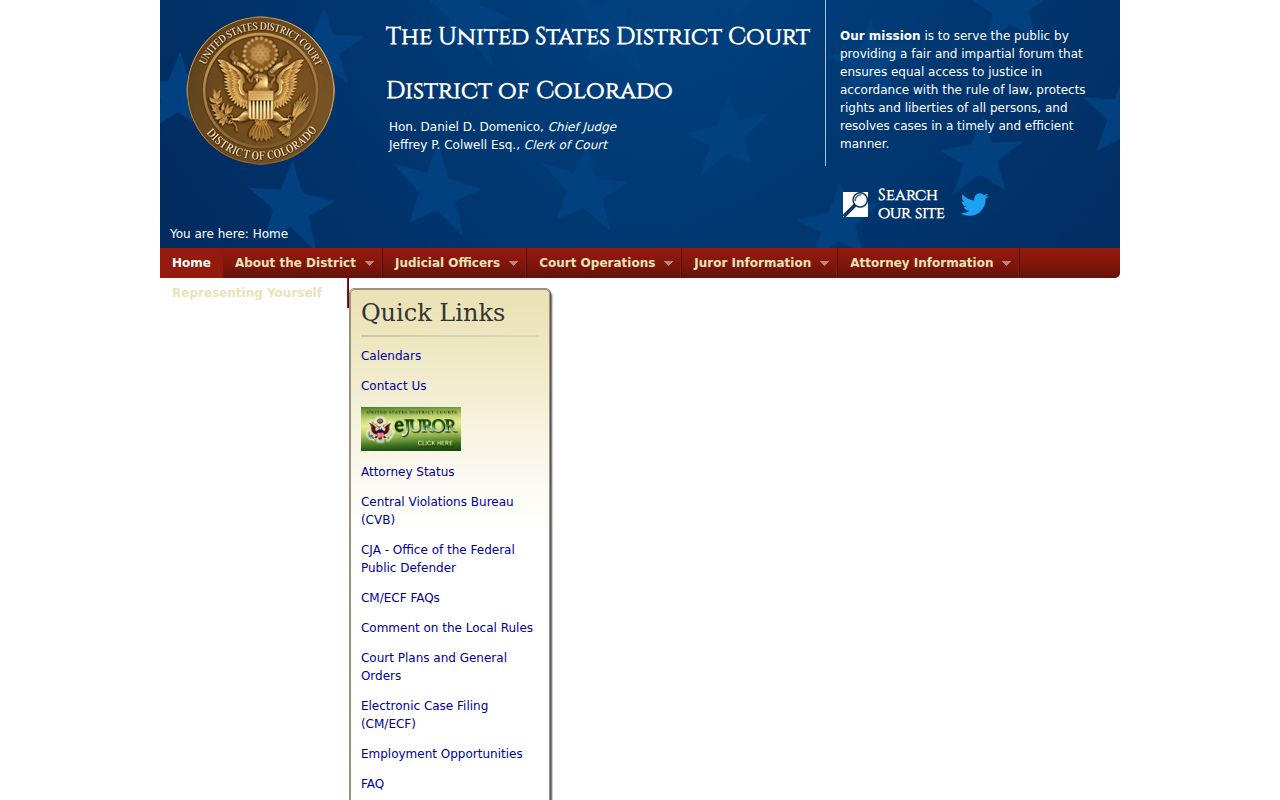
That division matters because a Phillips County docket search cannot reveal a federal case.
Federal docket records are searched through PACER after account registration. PACER charges under its current schedule, so verify current amounts at the portal. The official PACER capture shows the proper federal search route.
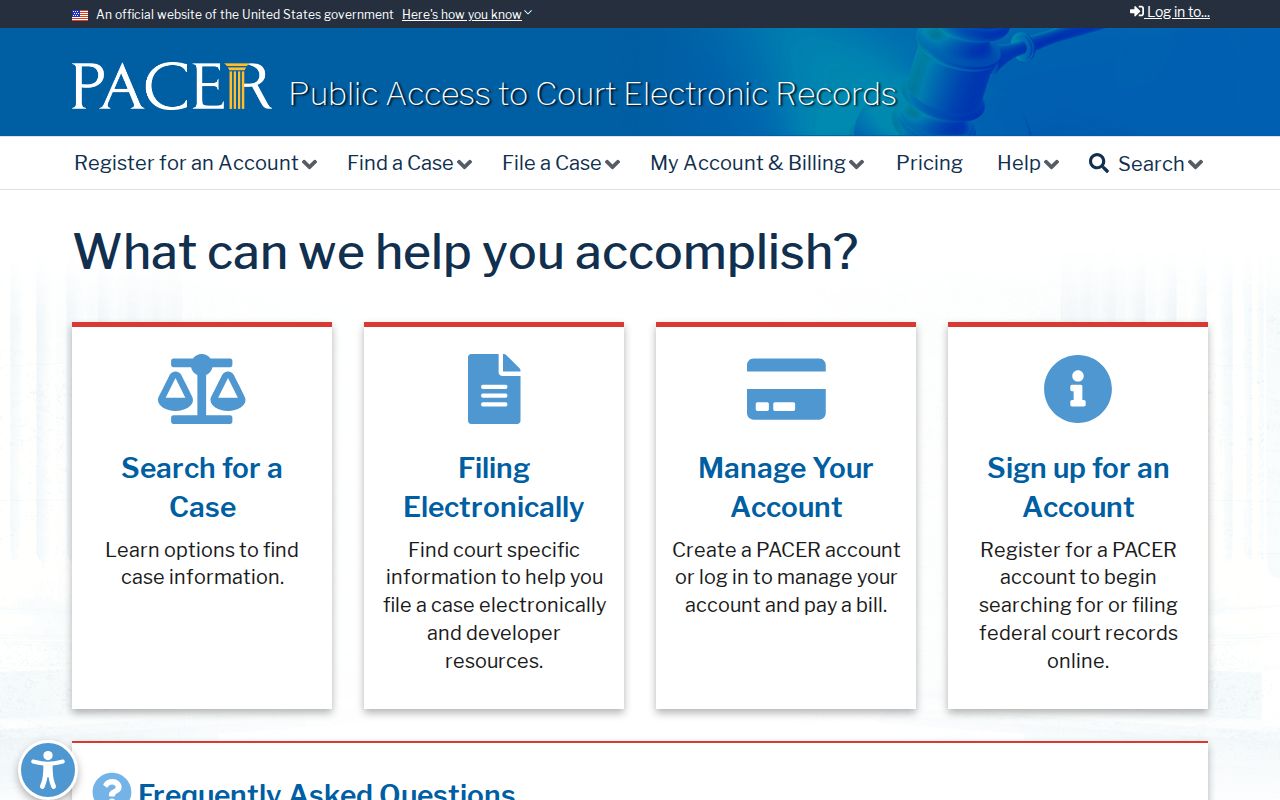
Use it only for federal filings; state charges remain with Phillips Combined Court.
Access Rules for Case Records
Colorado Chief Justice Directive 05-01 governs public access to court records, including redaction and remote-access limits. Case-file requests go to the Phillips Combined Court clerk. They should not be sent as general CORA administrative-record requests, and CCJRA is chiefly the route for criminal-justice agency records such as sheriff reports. Starting with the correct custodian saves delay.
Sealed cases are removed from ordinary public access. Juvenile records, victim identifiers, protected addresses, account numbers, and other sensitive data may be closed or redacted. If a public copy omits material, ask the clerk whether the item is sealed, restricted, unavailable remotely, or subject to a formal access procedure. A court’s refusal to release protected content is not proof that the file never existed.
Correcting Phillips County Dispositions
A Colorado Bureau of Investigation history can show “disposition unknown” when a court outcome was not matched to an arrest cycle. That phrase is a data-quality warning, not a conviction. Obtain the final Phillips County disposition from the clerk, then use CBI’s disposition-update or record-challenge process. A dismissal in the court file does not always update every database at once.
This correction route differs from record sealing. Correction adds or fixes an accurate outcome. Sealing limits public access to an eligible record under Colorado law. Use the exact Phillips County case number and a clerk-issued disposition so CBI can match the right event, especially when a common name could produce more than one name-based result.
The 13th Judicial District Attorney’s charging file is separate from the Phillips County court file. That office serves seven counties from Sterling and is not the custodian for clerk pleadings. The Sterling regional Public Defender represents qualifying appointed clients, but its client file is not a public court-record source. For public charges, events, judgments, and sentences, return to the Phillips Combined Court clerk. This custodian split prevents a judicial-record request from being sent to an advocate or prosecutor who keeps a different working file.